

Autumn Budget 2026: What does it mean for first-time buyers, homeowners and sellers?
What does the Autumn Budget 2026 mean for the UK property market? From new support for first-time buyers to changes affecting housing supply and household bills, we break down the key announcements and what they could mean for buyers, sellers and homeowners.
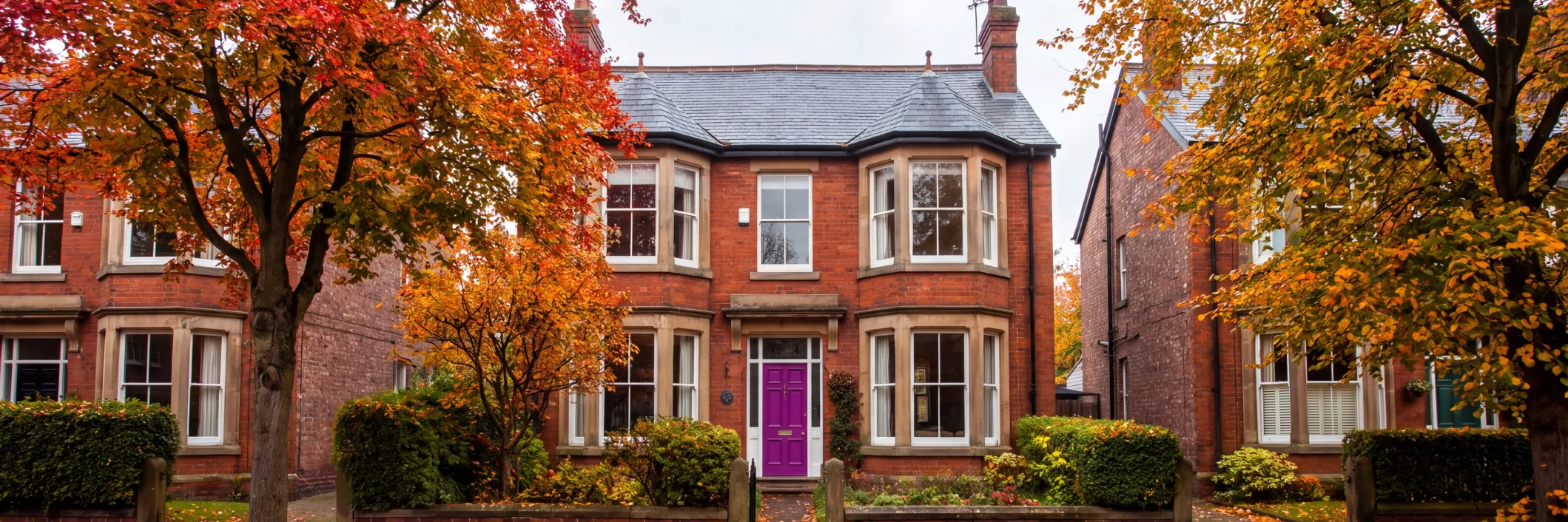
The Autumn Budget has brought several announcements for the UK housing market, with new support for first-time buyers taking centre stage.
Chancellor John Healey has confirmed plans to replace the Lifetime ISA with a new First Time Buyer ISA, alongside £4.7 billion for a government-backed equity loan scheme designed to help more people onto the property ladder.
There were also announcements affecting housing supply, social housing investment and household energy bills. But what do the changes mean if you’re saving for your first home, thinking about moving or already own a property?
Here’s what you need to know.
A new First Time Buyer ISA will replace the Lifetime ISA
One of the biggest housing announcements in the Autumn Budget was the confirmation that a new First Time Buyer ISA will replace the existing Lifetime ISA (LISA).
Currently, Lifetime ISAs allow eligible savers to put away up to £4,000 each tax year, with the government adding a 25% bonus worth up to £1,000 annually. However, savers face restrictions on how they can use the money, including a £450,000 property price limit and a 25% withdrawal charge if they access their savings for reasons outside the permitted rules.
The new First Time Buyer ISA is intended to simplify the process of saving for a home. Under the government’s proposed approach, the bonus would be paid when the money is used towards purchasing a qualifying property, rather than being added to savings upfront. This would remove the need for the same withdrawal penalty structure.
The Chancellor also announced changes to withdrawal penalties for existing Lifetime ISA savers, although the exact transitional arrangements still need to be clarified.
What does this mean for first-time buyers?
For people building a deposit, the new ISA could offer greater flexibility if their circumstances change or their plans to buy a home are delayed.
However, important details remain to be confirmed, including the new scheme’s property price limit, annual savings allowance, government bonus and how existing LISA holders will transition.
If you’re already saving into a Lifetime ISA, there’s no need to assume your account is closing immediately. Existing savers can continue to use their accounts under the current rules while the new scheme is developed.
Government confirms £4.7bn for Your First Home scheme
Alongside changes to savings, the Chancellor confirmed £4.7 billion for Your First Home, a government-backed equity loan scheme aimed at helping more people buy their first property.
The scheme, which was initially announced in September, is designed to help eligible first-time buyers purchase a new-build home with a deposit of just 2.5%, supported by a government-backed equity loan worth 20% of the property’s value.
For example, on a £250,000 home, a 2.5% deposit would be £6,250. A 20% equity loan would contribute a further £50,000, leaving £193,750 to be financed through a mortgage.
The equity loan would have an initial interest-free period, potentially reducing monthly mortgage payments compared with purchasing the same property using a 95% mortgage.
The scheme will be available through participating developers and is expected to include household income limits and local property price caps to target those who need support.
What does this mean for first-time buyers?
Saving a deposit is one of the biggest hurdles facing aspiring homeowners, particularly those who can’t rely on financial support from family.
Reducing the upfront deposit requirement could help some buyers purchase sooner, while the equity loan may reduce the size of the mortgage they need.
However, buyers should remember that an equity loan is not free money. It must eventually be repaid, and the amount owed may change with the property’s value. The length of the interest-free period and the repayment terms will therefore be important considerations.
It’s also worth noting that the scheme focuses on qualifying new-build properties, rather than the wider housing market.
What support was announced for housing supply?
The Budget also included measures intended to encourage the construction of new homes and support affordable housing.
The Chancellor confirmed that councils will be able to access cheaper borrowing for housing investment, while land sold to social housing providers will receive more favourable VAT treatment.
He also announced plans to remove biodiversity requirements from brownfield developments and avoid major changes to building regulations for the remainder of the Parliament, except where safety is concerned.
These measures are intended to reduce some of the costs and complexity associated with delivering new homes.
What does this mean for buyers and sellers?
Increasing housing supply is important for the long-term health of the property market. More homes can provide greater choice for buyers and potentially ease some of the pressure on prices in areas where demand exceeds supply.
However, new developments take time to deliver, so these announcements are unlikely to have an immediate impact on the number of properties available to purchase.
For existing homeowners considering selling, local housing supply, buyer demand and property condition will continue to be important factors in determining the value of their home.
Homeowners could benefit from changes to energy bills
Beyond the housing market itself, the Budget included several measures aimed at easing household energy costs.
The Chancellor announced that households living in council tax bands A to D will receive a £100 energy payment this winter, with the government estimating that around 20 million households will benefit.
He also confirmed plans to remove standing charges from gas bills, a move expected to save around 60% of households an average of £45 annually once introduced. The government also announced an extension to reduced VAT on electricity bills.
What does this mean for homeowners?
For eligible households, the £100 payment could provide some relief from winter energy costs. Changes to standing charges may also benefit households with lower gas consumption, although savings will vary depending on individual energy usage.
For anyone considering buying a home, ongoing running costs remain an important part of assessing affordability. As well as mortgage repayments, it’s worth considering a property’s energy efficiency, council tax band and estimated utility bills before making a decision.
What about stamp duty and property taxes?
Despite speculation ahead of the Budget about potential changes to property taxation, the Chancellor did not announce a major overhaul of stamp duty during his speech.
For buyers, this means there was no headline announcement of a new stamp duty structure alongside the first-time buyer support measures.
Nevertheless, it’s important to remember that stamp duty can still represent a significant upfront expense, particularly for buyers moving further up the property ladder.
Anyone planning a purchase should check the rates and thresholds applicable to their circumstances and include any potential tax liability in their overall moving budget.
What does the Autumn Budget mean for the property market?
The clearest message from the Autumn Budget is the government’s focus on helping more people take their first steps onto the property ladder.
The combination of a new First Time Buyer ISA and the Your First Home equity loan scheme could make homeownership more accessible for some buyers, particularly those struggling to build a deposit.
However, the benefits will depend on the final eligibility requirements and how the schemes operate in practice. Mortgage affordability, interest rates and the availability of suitable homes will also continue to influence buyers’ decisions.
For existing homeowners and sellers, the immediate impact is likely to be more limited. With no major stamp duty overhaul announced in the speech, local market conditions and individual circumstances will remain central to decisions about moving.
If you’re considering selling your property, understanding what your home could achieve in the current market is a useful first step.
Thinking about your next move?
Whether you’re preparing to sell your first home, moving somewhere bigger or simply exploring your options, knowing your property’s current value can help you plan with confidence.